
The Three Phases of LSD Running.
Where Physiology Meets Patience
Long slow distance running has always been the quiet engine of endurance training. It’s not glamorous. It doesn’t produce the Instagram worthy splits. It rarely feels heroic. But LSD running is where real fitness is built. Slowly, steadily, and honestly. It’s the discipline that teaches athletes to listen to their physiology, respect their limits, and develop the kind of aerobic durability that makes race day feel effortless.
Over the past few years, I’ve refined a structured LSD protocol that divides the long run into three distinct phases. Each phase stresses a different physiological system, each reveals a different aspect of fitness, and together they create a complete picture of how the body responds to controlled endurance stress.
This article blends science, coaching, and mindset. If you have read any of my articles previous to this, this will once again be the unique hybrid style you’ve come to expect from my writing. Hopefully by the end of this article, you will understand the three phases of LSD running and why they matter for every athlete, from beginners to elites.
Why LSD Running Still Matters
In an era obsessed with speed, metrics, and high intensity intervals, LSD running remains the most reliable way to improve your:

a) aerobic efficiency
b) mitochondrial density
c) capillary growth
d) fat oxidation
e) mechanical durability
f) psychological resilience
Zone 2 work is still the gold standard for building endurance. But LSD running is more than “run slow for a long time.” When structured deliberately, it becomes a diagnostic tool and a way to measure real fitness in real conditions.
The phases:
Phase A - The Controlled Build: Warming the Engine
Distance: First 5 km
Goal: Build smoothly to race pace or just below
Focus: Metabolic priming and physiological stabilisation
Phase A is the run’s opening handshake. A conversation between your body and the road. You’re not chasing pace. You’re not forcing effort. You’re simply allowing your physiology to settle into a predictable rhythm. Talk with your body and ask it what it wants to give you today.
By the end of this phase you will have established your baseline heart rate, the number that will govern Phase B. It’s your body’s honest report card for the day: how rested you are, how stressed you are, how well you’ve slept, how much fatigue you’re carrying.
Scientifically, Phase A allows:

a) cardiac drift to stabilise
b) muscle temperature to rise
c) ventilation to match metabolic demand
d) fuel utilisation to settle
It’s the metabolic equivalent of priming an engine before a long drive. You don’t slam the accelerator; you let the system warm, align, and prepare.
This is where patience begins. The athlete who rushes Phase A sabotages the entire run. The athlete who respects it sets the foundation for honest data and a strong aerobic performance.
Phase B - The Heart Rate Bound Segment: The Aerobic Truth
Distance: Second 5 km
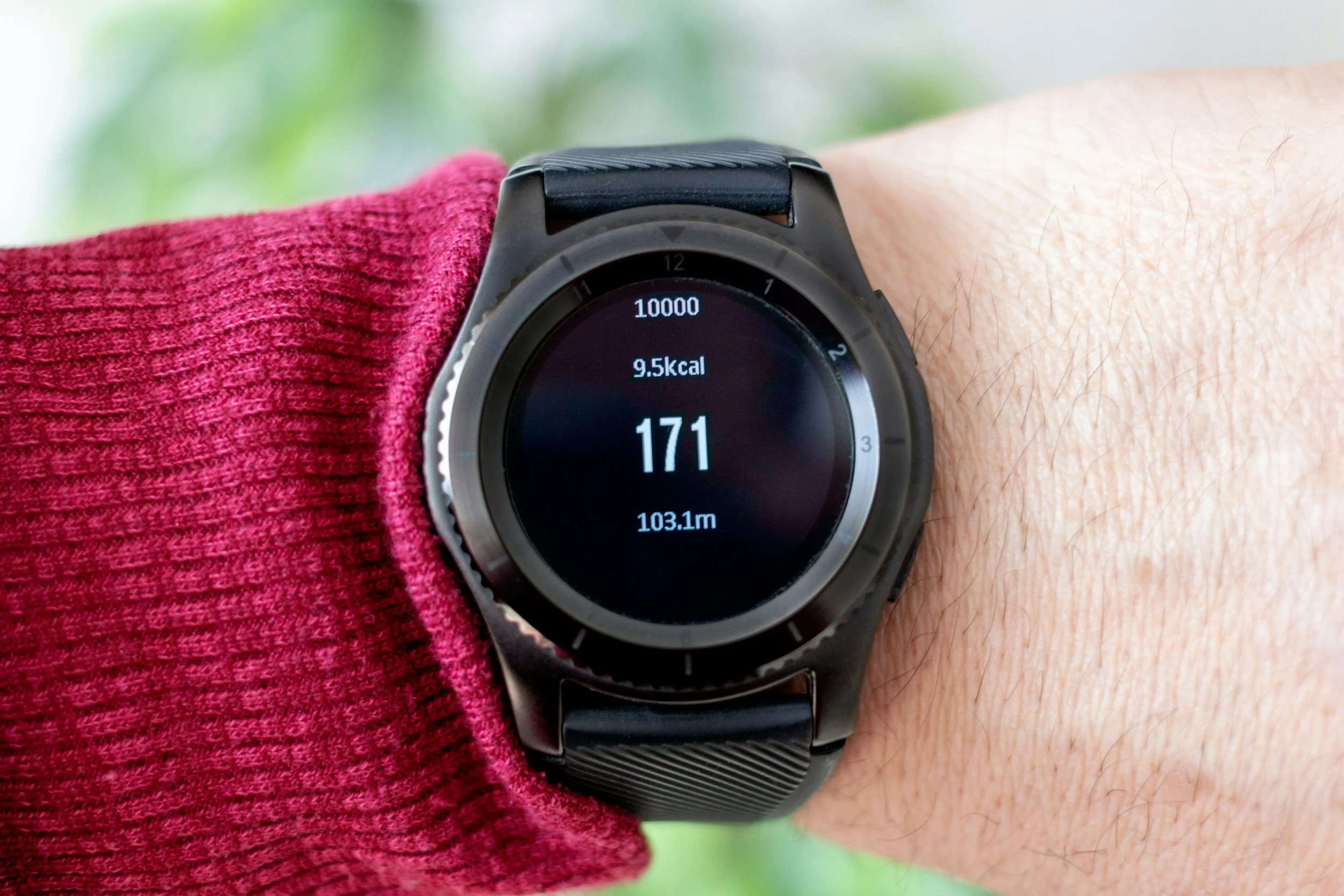
Goal: Keep HR between baseline (established in phase A) and baseline minus 20 bpm
Focus: Aerobic regulation and metabolic honesty
Phase B is where LSD running becomes scientifically powerful.
You are no longer running by pace. You are running by heart rate and nothing more. If your HR rises above the limiter, you slow down. If it drops too far below, you increase effort. Pace becomes the dependent variable. Heart rate becomes the governor.
This exposes the true state of your aerobic system.
Why this works:
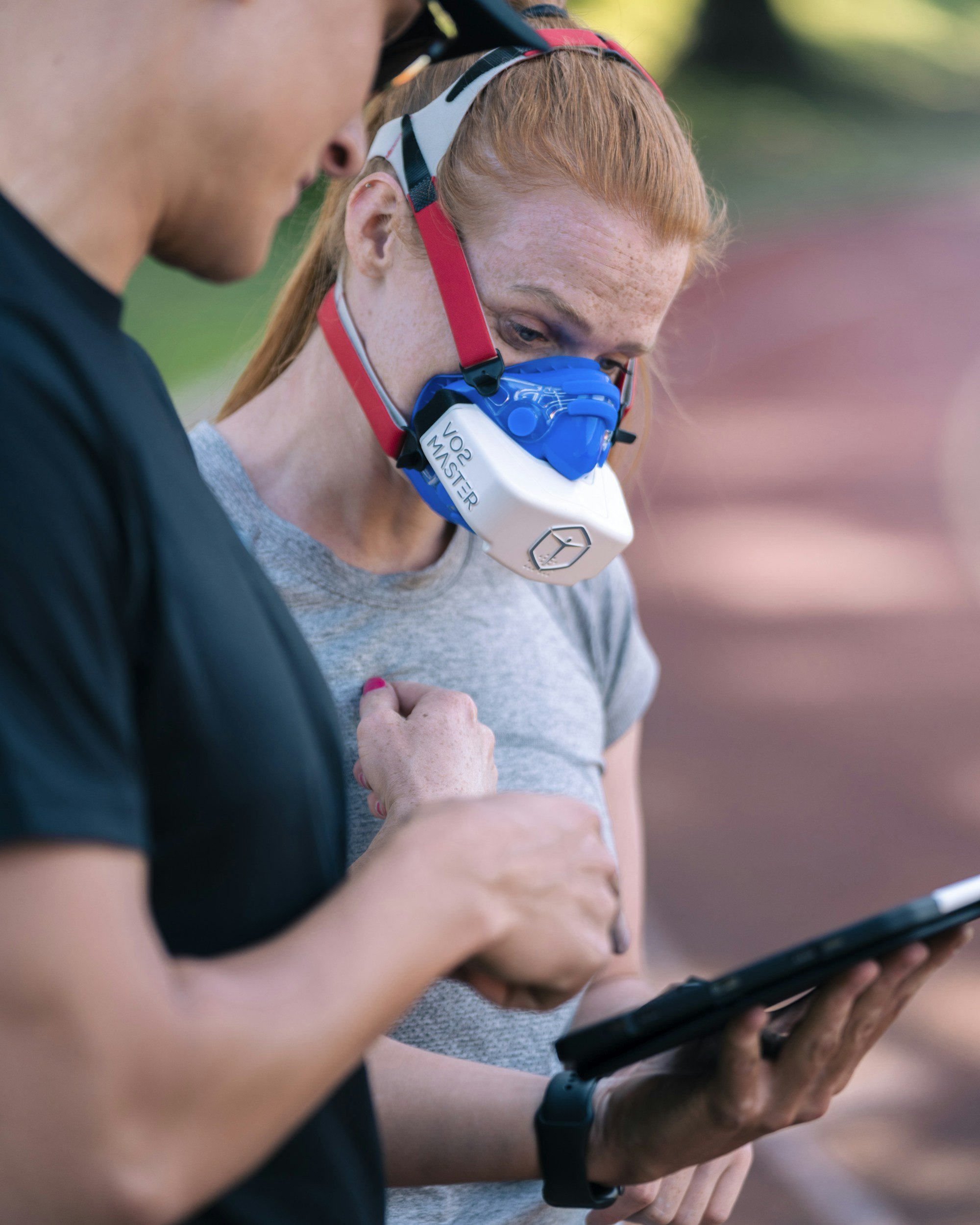
a) Heart rate is a proxy for oxygen consumption (VO₂).
b) Keeping HR in a narrow band isolates the aerobic metabolic zone.
c) Any drop in pace required to stay under the limiter reflects:
i) aerobic efficiency
ii) fatigue resistance
iii) heat tolerance
iv) fuel availability
v) neuromuscular economy
If you must slow dramatically to stay under the limiter, your aerobic system is under strain. If you maintain strong pace while staying under the limiter, your aerobic base is robust.
This is the phase that humbles athletes. It’s also the phase that reveals the truth.
Phase B teaches discipline. It teaches restraint. It teaches athletes to respect physiology rather than ego. And it produces one of the most valuable metrics in endurance training: HR bounded pace.
Phase C - The Median Pace Segment: Mechanical Durability
Distance: Final 5 km
Goal: Run at a pace halfway between Phase A and Phase B
Focus: Mechanical resilience and neuromuscular economy

Phase C is where physiology meets biomechanics.
After 10 km of controlled stress, you will now run at a median pace which is neither fast nor slow, but it is deliberately moderate. Heart rate is ignored entirely. You run by feel.
This phase tests:
a) mechanical durability
b) cadence stability
c) stride length consistency
d) neuromuscular fatigue
e) perceived exertion accuracy
It also removes the psychological crutch of heart rate monitoring. Athletes must trust their internal sense of rhythm, form, and effort.
Phase C is often the most revealing segment. If your mechanics collapse, such as cadence dropping or stride shortening and your posture falters then it exposes weaknesses in durability which can be addressed in the post mortem. If you hold form comfortably, it shows strong neuromuscular resilience.
This is the integration phase. It blends the metabolic honesty of Phase B with the mechanical reality of fatigue. It’s where the run becomes a complete physiological picture.
The Final Metric - Your Fitness Signature

At the end of the run, you take two numbers:
A) overall average pace
B) overall average heart rate
This becomes your fitness signature for the day.
Why this works:
a. It blends controlled intensity (Phase A), aerobic regulation (Phase B), and mechanical resilience (Phase C).
b. It smooths out anomalies from any single segment.
c. It reflects both cardiovascular efficiency and running economy.
d. It is repeatable — meaning you can track progress over weeks and months.
If your pace improves at the same average HR, you are fitter. If your HR drops at the same pace, you are fitter. If both improve, you are entering breakthrough territory.
This is the same logic used in laboratory VO₂ testing but applied in the real world, with real terrain, real fatigue, and real conditions.
The Mindset Behind the Method

LSD running is not just physiology. It’s psychology.
Phase A teaches patience. Phase B teaches discipline. Phase C teaches resilience.
Together, they teach athletes to:

A) trust their body
B) regulate effort
C) embrace discomfort
D) stay present
E) run honestly
LSD running is a conversation with your physiology. It’s a negotiation between ambition and restraint. It’s a reminder that endurance is built not through force, but through consistency, humility, and respect for the long game.
The three phase model reinforces this mindset. It forces athletes to slow down when ego wants to speed up. It forces athletes to hold form when fatigue whispers excuses. It forces athletes to truly listen to the signals their body sends.
This is where endurance becomes character.
Why This Method Works for Every Athlete

The beauty of the three-phase LSD model is that it is self-calibrating.
Your body sets the limiter, not a coach or a watch.
This makes the protocol ideal for:
a) beginners learning pacing
b) intermediates building aerobic durability
c) advanced athletes refining efficiency
d) masters athletes managing fatigue
e) triathletes balancing multi sport load
f) runners returning from injury
Because the limiter is relative, not absolute, the protocol adapts to:
a) heat
b) fatigue
c) stress
d) sleep
e) nutrition
f) training load
It meets the athlete where they are and reveals exactly what their aerobic system can handle on that day.
How to Use This Protocol in Your Training
Here’s how athletes can integrate the three phase LSD model into their weekly structure:
1. Run it once every 2/3 weeks
This frequency provides enough data to track trends without overloading the system.
2. Use the same route when possible
Consistency improves comparability.
3. Record Phase A, B, and C metrics
Track:
a) average pace
b) average HR
c) cadence
d) stride length
4. Compare your fitness signature over time
Look for:
a) lower HR at same pace
b) faster pace at same HR
c) improved mechanical stability
d) reduced cardiac drift
5. Use the results to adjust training
If Phase B pace collapses, then you need to go back and rebuild your aerobic base. If Phase C feels impossible, then you need to work on your mechanical durability. And if Phase A heart rate is unusually high then this is most likely signally that your are overtraining and you need to reduce your load.
This protocol becomes your compass and a way to steer training with clarity rather than guesswork.
The Quiet Power of LSD Running

In the end, LSD running is not about speed. It’s about truth.
It reveals the athlete you are when the watch is ignored, when ego is quiet, and when physiology is allowed to speak. It shows how well you can regulate effort, how efficiently you can move, and how gracefully you can endure.
The three phase LSD model turns the long run into a scientific, psychological, and mechanical assessment and a complete picture of endurance fitness.
It is simple. It is honest.
It is powerful.
And it works.